
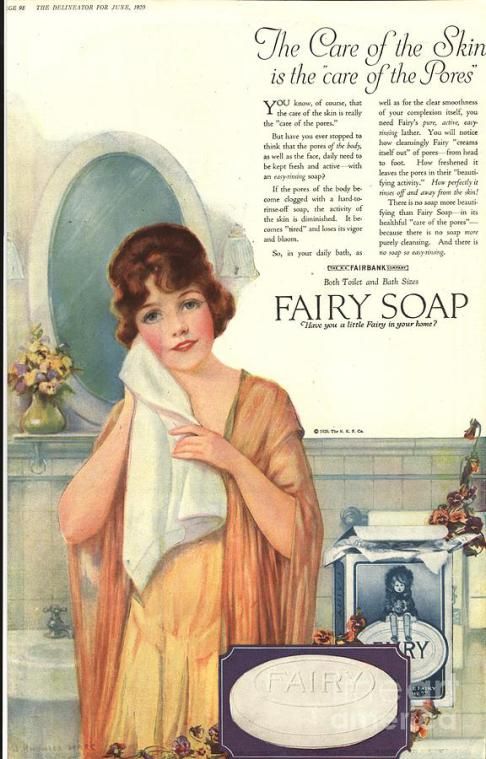
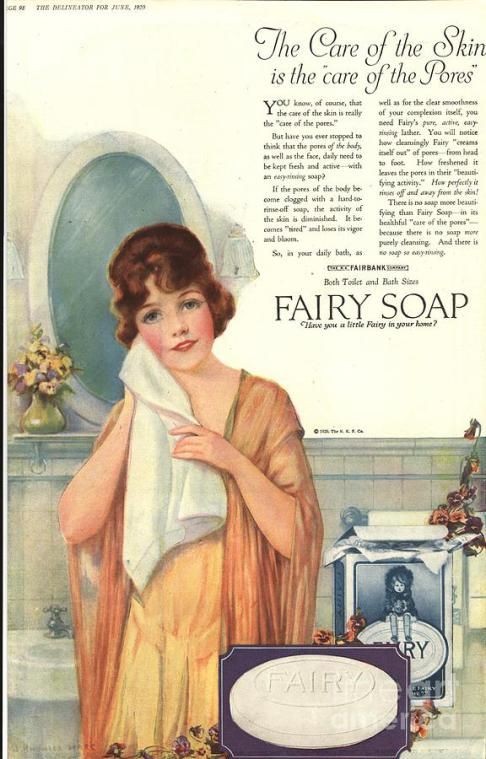
Throughout history people have gone to extreme measures in the name of achieving society’s beauty standard. It’s common knowledge that Queen Elizabeth I of England used makeup with lead in it (probably to cover her smallpox scars.) But did you know that the Egyptian pharaohs, famous for those dark-lined eyes, used it first? Arsenic was popular until the 1930s in cosmetics, and in the 1600s Mercury was advertised as “to procure beauty”.
Many of us roll our eyes at the past and what women, especially, were willing to do for beauty. But how many times do we see a product or a social media post talking about the next best wonder and actually consider it?
Trying to be beautiful, either by our own standards, or even by the standards of the day is perfectly normal. And for every horror story out there, there is an equal amount of stories of safe, effective beauty techniques that sound strange to our ears. The beauty industry is large, and it will often go into the past to find ingredients that promise the perfect face or hair. You are welcome to Google or search for ancient beauty practices, and you will find as much sage advice as you will find ridiculous advice.
For instance, in Egypt, when they weren’t using kohl lead, they were also using milk and honey; this is still considered safe as honey is a natural antibacterial source (and a humectant) and milk has lactic acid. In ancient Greece, olive oil was used to nourish the skin, something that beauty companies still use in their products. In Japan, geishas would use rice and water to keep their complexion smooth and bright; and I guarantee if you went to Japan today, and asked, many mothers would still swear by this. I could write a book just on ancient beauty practices, but since many have already been produced, I’ll refrain.
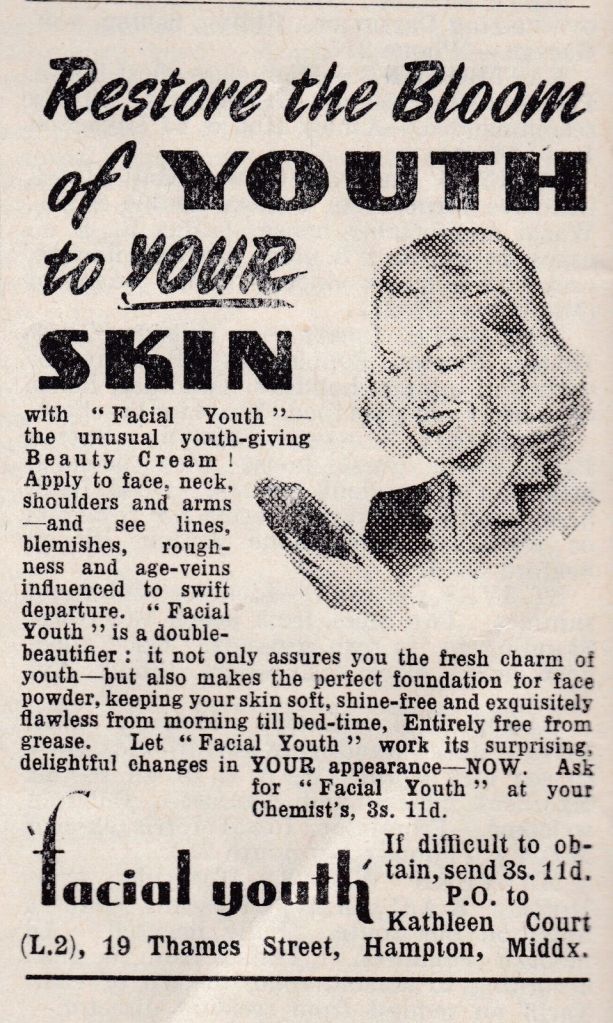
Not everything from our past is suspect, we can learn from it – even when it comes to our beauty. The trick isn’t to figure out what is best, but what the science of today says is safe. It’s the one advantage we have over our ancestors, science!
For instance, science will note that lemons have vitamin C for the brightening of our skin tone, but science will also clearly state the dangers of using it. (I used lemons on my skin once, and then had to take eight weeks to repair my skin barrier…oops!) There is also evidence that baking soda has properties that have been shown to help with acne and eczema, but science also shows that using it too frequently (I’m talking more than once a week at most) disrupts the ph balance of our skin, which can lead to more problems than solutions. There is evidence that coffee, with its caffeine and antimicrobial properties can help with anti-aging and exfoliation, but it also has a tendency to make microscopic tears in your skin that again, hurts you in the long run. And finally, there is the popular beef tallow, which is known to be nourishing to the skin but unfortunately isn’t usually regulated in this country (and that which is, often their effectiveness has been destroyed by the process to get it to stores). Therefore, you are opening yourself up to possible contamination, irritation, and skin conditions from clogged pores.
Science is our friend.
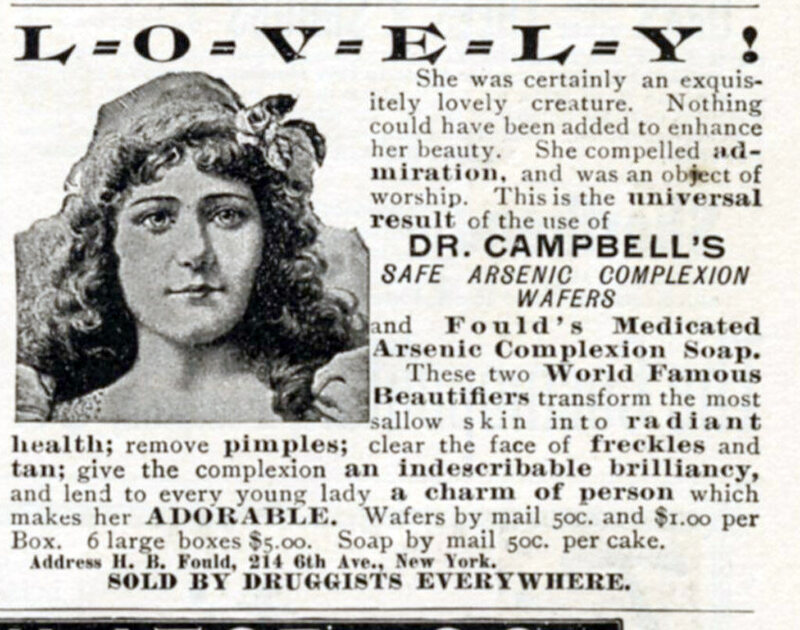
However, there are some products that sound just as strange to us as voluntarily putting on lead might be, but that science does back as safe.
Full disclosure is our middle name (ok, not really). But we do like to be transparent. This website, and all our social media platforms, may contain affiliate links. When you click on, and/or make a purchase through one of the affiliate links we may receive a small commission or other compensation at no cost to you. Please assume that any links on our social media platforms are affiliate links. As an Amazon Associate I earn from qualifying purchases. Our use of affiliate links, however, do not drive our opinions or influence us in any way.

It isn’t actually diaper rash cream that is one of the skincare industries best ingredients but the zinc oxide in it. Many dermatologists, including Dr. Shereene Idriss, state that putting diaper rash cream, such as the one above, all over our skin and allowing it to sit overnight has amazing benefits. Science tells us that the ingredient zinc oxide can help with skin irritation, provide broad-spectrum sun protection, aid in the recovery of damaged tissue, keep moisture in the skin, and help with rosacea, melasma, and even the signs of aging. In other words, zinc oxide is a powerhouse and basting your skin in it could help. According to ancient texts, zinc oxide was used for healing the skin in ancient Indian and in Greece. There is one thing to note about diaper rash cream before you use it (especially if you are young), it can clog the pores so either limit your usage, or at least know this going in and find other products with zinc oxide in it.

One of the newest trends in South Korea skincare seems to be salmon DNA, or salmon sperm (I can’t make this up). Because this is a new ingredient there isn’t a lot of science behind it, although we do know that human beings DNA and salmon DNA are actually similar. Many industry experts believe this makes salmon sperm to be not only effective but safe for use. Salmon sperm is supposed to retore skin elasticity, repair moisture barriers and reduce inflammation. There was a small study done that showed that this ingredient also has the possibility of stronger collagen levels; however, there is very limited research available. If you are allergic to fish, I would stay away from salmon sperm.

You may have actually heard of charcoal, but do you know the benefits for you skin? Many believe that activated charcoal will improve acne, remove toxins, provide a gentle exfoliation, and reduce the look of pores. While there is very little research for activated charcoal, most people believe that it is relatively safe (although we aren’t talking about the stuff left over in your grill). Of course, if you use it too much there is a risk of skin dryness, redness, and sensitivity. I am always amazed at how many ingredients and even products on the market are not actually tested by science. But then, I suppose there are a lot of ingredients out there to test.

Bee Venom is (as you guessed) produced by bees and is a natural toxin. For hundreds of years, bee venom has been used to treat pain, but today it has found it’s way into our skincare. Many believe that bee venom can help reduce the appearance of blemishes, wrinkles, and may even potentially have antibacterial or antimicrobial properties. Like many of the products on this list, bee venom is still too new to have scientific research to back it’s claims. But I wonder if some of our ancestors, who we have made fun of for using toxins in their quest for beauty, wouldn’t be pointing their fingers at us?
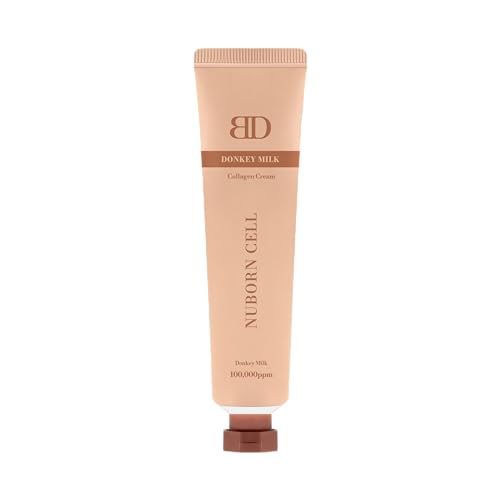
Donkey milk is another one of those ingredients that at first you might think is weird. But we have been using cow milk, goat milk for centuries. Donkey milk, although not as well known here in the United States, has been used in India, Africa and Greece. You may recall that Cleopatra bathed in milk, and this also would have been donkey milk. Donkey milk has vitamins A (retinol but with a lot less irritation), D (calcium), and C; as well as proteins and fatty acids in it. It’s potent cocktail is known to help in anti-aging and is anti-inflammatory, reducing acne and rosacea, and contains a high level of antioxidants. We know that donkey milk is safe for babies who can’t take cows milk, and with it’s history is considered a safe choice for most skin types. There is more scientific evidence with this ingredient then most of the others on this list, so while it is always advisable to do a patch test, this one is probably ok.
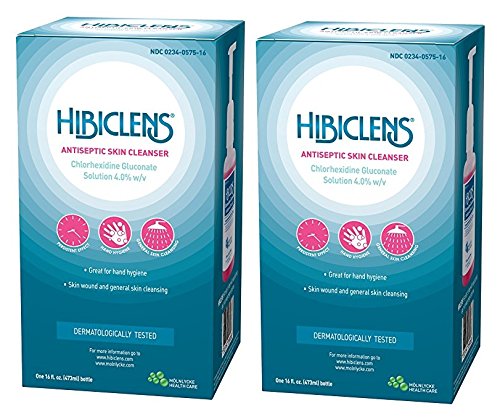
You have passed this product in the drug store a hundred times, and I would bet that you never took a second look at it (unless you were scheduled for a surgery). Hibiclens potent ingredient is actually chlorhexidine, which is an antiseptic that cleans the skin and prevents infections; in other words, it kills those germs. There is a couple of things to note: don’t get it in your eyes or mouth, and be sure to keep it away from children. Using this product too much can actually make you resistant to certain bacteria or infections. You can also experience a major allergic reaction to this product, so always be extremely safe. This product can be used to control body odor (kill the bacteria on the skin), acne around the hairline, boils on the skin, but should not be used for routine acne (stick to benzoyl peroxide). In other words, if you want to use this product, make sure you are reading the literature and not using it frequently. I would think of it the same as you think of any antibacterial soap. I included it in this list simply because of the frequency dermatologists like to recommend it (see Dr. Dray’s video on YouTube for more information).
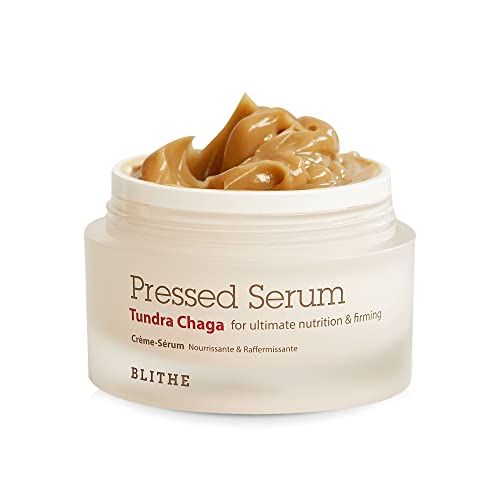
Mushrooms have been used in both medicine and skin care for centuries. Mushrooms in skincare are typically known for anti-aging, anti-inflammatory, brightening effects, moisturizing and protection from the sun and environment (antioxidant). Mushrooms are super ingredients, and there as many skincare products with mushrooms in them as there are mushrooms. Mushrooms are also widely used in supplements for skin health. For the product I used here (which, again, is one of many) I decided to highlight the chaga mushroom. Chaga mushrooms are great antioxidants, are known for their moisturizing, and gives that anti-aging elastic skin that we are all looking for. Mushrooms as a whole have been studied for many years, so there isn’t much risk in using them. In fact, if you aren’t, I would recommend that you find the mushroom that will give you the benefits you are looking for and then find a product with it. For a good list, check out this website: https://healthnews.com/beauty/skin-care/skincare-with-mushrooms-benefits/#are-mushrooms-good-for-skincare.
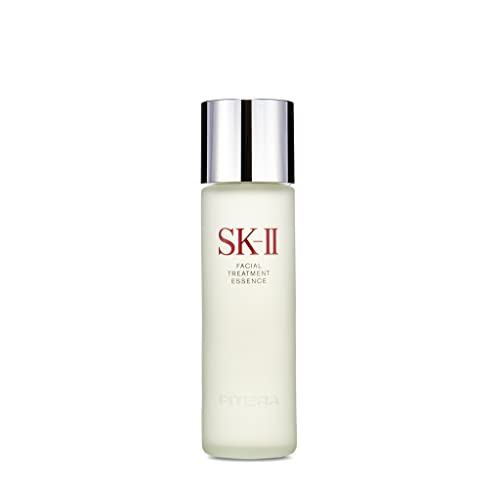
Pitera. Years ago, scientists looking for the next best anti-aging ingredient, went to a sake factory in Japan and noticed that while the workers had lines and wrinkles on their faces, their hands were young and youthful. While it would take another five years for the scientists to figure out the strain of yeast causing this “miracle”, they would. This yeast, called Pitera, was full of amino acids, peptides, proteins, carbohydrates, organic acids, and vitamins and minerals. While this yeast is too large to penetrate the skin, it can repair the skin’s barrier, the skin’s moisture ratings, and may even help the body to make additional hyaluronic acid (which is produced in our bodies naturally). Pitera is also known to help other products to be absorbed into the skin (more effectively). Because Pitera is a trade mark ingredient, most of its research comes from the SK-II company itself. Please note the link provided is not from the actual SK-II company. Please check out company’s website for purchase.
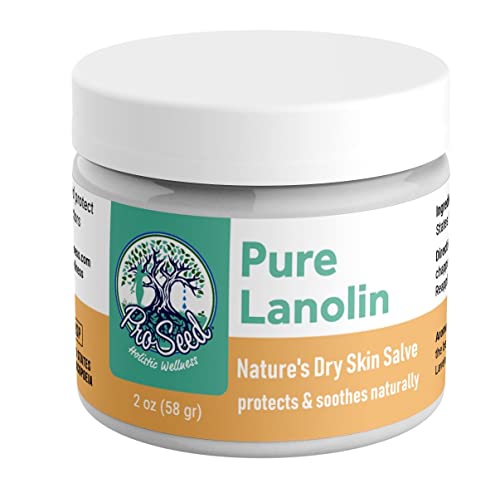
Sheep Sebum is best known as Lanolin. Lanolin is basically the oil from the sheep’s skin that they produce to help with the maintenance of their wool. Think of the oils we use for our hair. Lanolin is basically an emollient moisturizer that keeps water from being loss by the skin and also allows the skin to moisturize itself from the inside. This ingredient is most widely known in lip products and moisturizers (and strangely, makeup removers). If you have ever had to suffer through a blizzard, this is the product for your skin. It’s best if you use lanolin with other moisturizing products, rather than alone, as it can be combined to work in tandem with products like hyaluronic acid. Lanolin has been mentioned in ancient Greek texts so it has some history to back it up. Lanolin can irritate sensitive skin and can lead to oily skin if used too frequently. But for the most part, this is generally a safe product especially for those with drier skin.
If you are interested in more, I got them, including the benefits of nipple cream for your nails!
 From My Girl Friday
Leave a comment