

So your child has been cruising through social media and has decided they want to get in the skincare game. As I don’t know your child, I can only guess that the powerful influencers on these apps have convinced your child that they will look better, now and in the future, if they take care of their skin. Maybe your child has dreams of being a model, a singer, or one of those influencers; all perfectly understandable desires. But the truth is there is very little that teenagers actually need when it comes to skincare. Despite the marketing, there are some products and ingredients, that will actually harm your child’s skin rather than help it.
Unfortunately, for all teenagers aspiring to see immediate results from those products that will guarantee their lifelong beauty, there is no such thing. Like for us parents, there is no one cure to fix all our skincare ails. Can you imagine if there was one simple product that would instantly rid us of those pesky age spots we acquired because we didn’t use sunscreen when we were basking in the rays of the sun? I, personally, could be persuaded to spend hundreds of dollars on a product with that kind of guarantee.
I am a proponent of skincare for teenagers. I am not a proponent of them ruining their skin for an ideal. I think it’s important to teach our children not only proper hygiene, but to show them how to take care of their skin every day. No matter what age you are when you are starting these lessons, they are important lessons.
These lessons should include: never going to sleep with makeup on your face, cleaning your brushes and other tools often, water is important for a beautiful face, what you eat and put in your body is important, exercise helps your skin, don’t pick at acne, wash your hands before you do your skincare routine, use fresh towels and change your pillowcases, and always, always use a high SPF sunscreen every day (rain or shine).
To be frank, everyone under the age off (let’s say) 20, needs three basic things: a gentle cleanser, a good moisturizer, and sunscreen. That is it. But there are products out there that are safe enough to incorporate into your child’s routine if they want to feel like they are doing something more; and there are absolutely, non-negotiable products that no person under the age of 20 should use unless prescribed by a dermatologist.
To make it easy, this are the products/ingredients that your teenager absolutely should not use on their skin, unless a doctor or a dermatologist says otherwise.
- Retinol, Retinal or any Vitamin A – (a dermatologist might prescribe a product with this in it, and that is perfectly fine)
- Vitamin C – this one is a little controversial but I went with the science and data here. While Vitamin C can help with scarring and brightening skin, it is not needed for most teenagers. I would save this one for the 20s.
- AHA or BHAs (Exfoliants) – This includes glycolic acid/lactic acid and even salicylic acid in large percentages. As you might know, AHAs and BHAs are wonderful for skin that is not renewing skin cells every couple of days, and those of us whose collagen production has weakened. Using them on young skin can do much more harm then good (this includes the viral Paula’s Choice BHA 2% Salicylic Acid – which I am very sorry to include as teenagers all over my social media seem to swear by it.)
- Eye Cream – the truth is, all your teenager needs to do is to take their moisturizer and use it under their eyes. (While I included an eye cream in my recommendations, the one I included is as gentle and safe as one can probably buy). As for eye patches, just make sure your teen is only using ones that are hydrating and does not have other actives like retinol or brightening agents in them).
- I put exfoliants in this list when I mentioned AHAs and BHAs, but your teenager also doesn’t need any other exfoliants on their skin. Think of this as scrubs or harsh wipes. Anything that tugs on the skin or even pulls at the skin will rip that baby skin to pieces, ultimately causing more problems than it is worth. Your child doesn’t need pore strips that they rip off their nose, like the ones we used as teenagers.
- Peptides or Growth Factors – These, like retinols, are anti-aging products. In our teen years our skin doesn’t need anti-aging products. It just isn’t worth wasting your money on (and while many peptides and growth factors aren’t necessarily harmful to young skin, you might not know the kinds of peptides and growth factors a formula is using; making it more risky).
- No essential oils – Essential oils are strong and potent, and even in the skincare we adults buy, is usually diluted. Don’t put an essential oil, straight from the bottle, on your skin or your teenager’s skin.
- Most dermatologists will say that teenagers have no need for toners. I both agree and disagree with this statement. There are toners out there that are hydrating that aren’t going to harm young skin; it’s when you get into the acids or the other anti-aging ingredients, including many brightening toners that we may run into a problem. K-Beauty skincare has many toners that are just for hydrating or flooding the skin; and these products probably won’t hurt your teenager’s beautiful skin.
Listen, my best and first advice would be to ask a doctor or a dermatologist before you buy any product for your child’s face beyond a simple cleanser, a simple moisturizer, and a sunscreen. And if your child’s skin becomes irritated or red, dry or flaky, the first thing to look at is the ingredients in the products your child is using. Like I said before, slathering on the infamous Paula’s Choice BHA 2% Salicylic Acid every day could easily disrupt your child’s skin barrier and cause more harm than good.
Products that would most likely be safe to use on your child’s skin. (Not every skin is the same, so not every product or ingredient will be safe for your child).
- Oil Cleansers or Cleansing Balms (with no active ingredients)
- Foaming or Water Based Cleansers
- Micellar Water
- Hypoclorous Acid
- Benzoyl Peroxide (in recommended percentages)
- Niacinamide (in percentages at 2% or less)
- Rose Water
- Milky or Hydrating Toners
- Hyaluronic Acid
- Marula Oil
- Adapalene (used specifically – directions below)
- Snail Muscin (this one is a little controversial because it has small percentages of active ingredients in it; however, most young skin can tolerate it fine because the actives are in low quanties.)
- Lip Oils
- Pimple Patches
There is a children’s line of skincare called Ever Eden Kids that seems to have some good products in their brand. However, neither I, nor my children have ever used these products, so do a little research before diving in and buying their whole line.
It needs to be stated that the products I recommend are based on my personal usage and my research. While I have included links to buy these products, I would much rather you use this information as a spring-board to find the product that is best for you and your child. I am not a dermatologist, nor am I a cosmetic chemist. I don’t have a clue what your child’s skin type is and ultimately, which of these products would work best for them.
We do like to be transparent. This website, and all our social media platforms, may contain affiliate links. When you click on, and/or make a purchase through one of the affiliate links we may receive a small commission or other compensation at no cost to you. Please assume that any links on our social media platforms are affiliate links. As an Amazon Associate I earn from qualifying purchases. Our use of affiliate links, however, do not drive our opinions or influence us in any way.
Recommendations:
For Teenage Skin we want to Clean, Feed, Correct, and Protect.
Cleansers – (most gentle cleansers will work but here are a few I have recommended in the past)
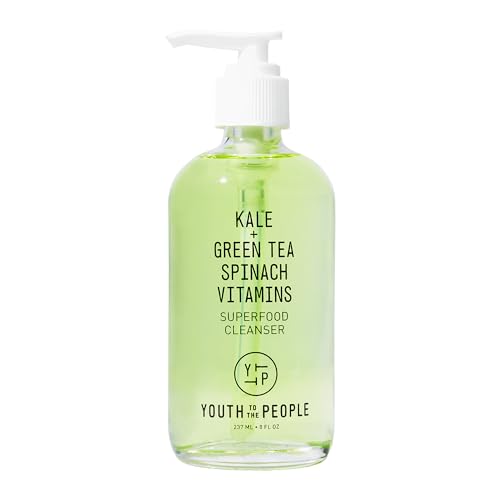
If you want to go a little more fancy then some of my suggestions, this one would be a good one. It comes in a glass bottle (so be careful if it’s in a shower) and I think the color of it is beautiful. Although their website states that this is for adults, most teenagers can tolerate this formula well. It is vegan, and will remove a teen’s makeup and debris from the day, while moisturizing the skin (this does not mean you can skip the moisturizing step).
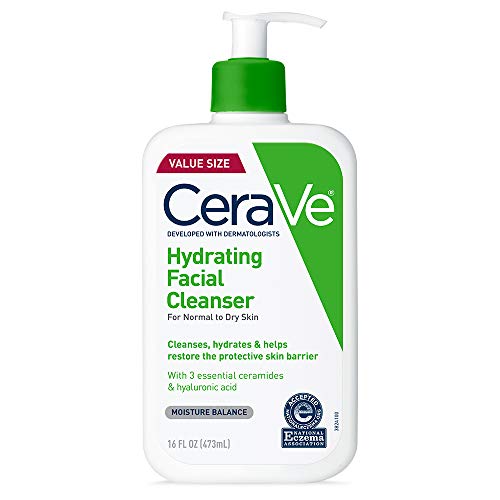
This is one of the most recommended facial cleansers out there both by dermatologists and even influencers. It is gentle, it will get the job done, and can be used as the second step in a double-cleanse if your child is interested. There are no harsh actives and for the price and low risk to your child’s skin, it really can’t be beat.
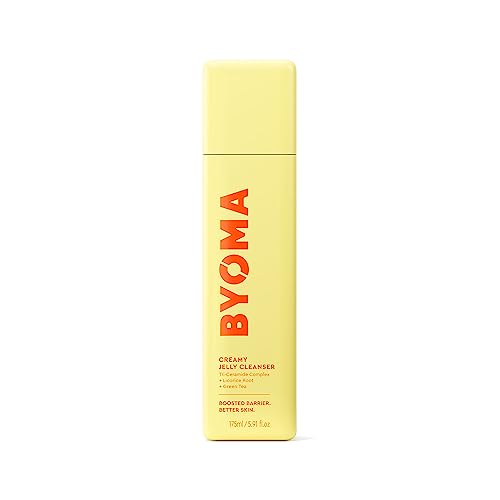
Gel Cleansers are great for teens with oily skin. While this product has ceramides in it (which is great for your teen’s skin), it also has anti-oxidant ingredients in it as well. I included it in this list, one because the packaging is cute for a teen, but because as a cleanser, theoretically, you’re going to wash off the anti-oxidants before they have a real chance to damage any young skin. Again, make sure your teenager is monitoring their skin for tightness or any irritation, and change this product out if this becomes a problem. There are other gel cleansers on the market, but most teens like Byoma and I like to give recommendations not only to the parents but for the teens as well.
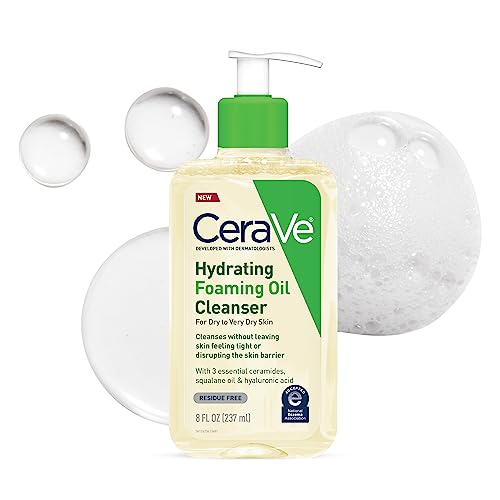
There are a couple of ways to double-cleanse if you are a teenager. One of them is by using a oil cleanser, such as this one, followed up by a water cleanser (if the first ingredient in the cleanser is water, it is most likely a water cleanser). Oil cleansers will take of your teen’s makeup and sunscreen off more effectively then just the foaming cleaners. Plus, it isn’t a bad idea to get your teen used to double-cleaning from the jump. This cleanser has squalane oil, hyaluronic acid, and ceramides – all of which are good for your teen’s skin.
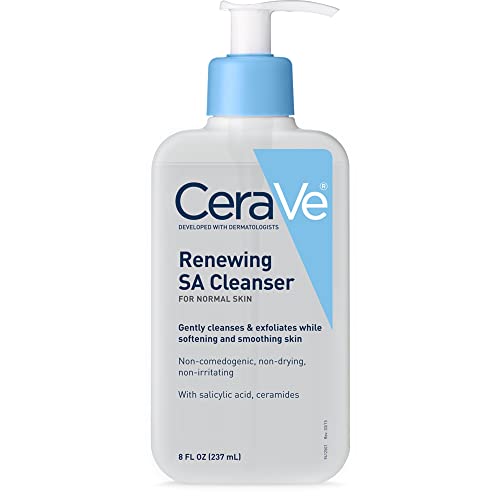
This cleanser is great for teenagers struggling with mild acne. It is recommended for teen skin because the active ingredients here are not only washed off immediately, but are in a cleansing form and therefore, at a less percentage. This product has two ingredients that are not on the approved teen skincare list – niacinamide and salicylic acid; but again, this is a cleanser and not a serum. I will say that your teen does not need to wash their face both in the morning and the night with this product (once a day will do). This cleanser may dry your teen’s skin out so make sure you are following it up with a moisturizer.
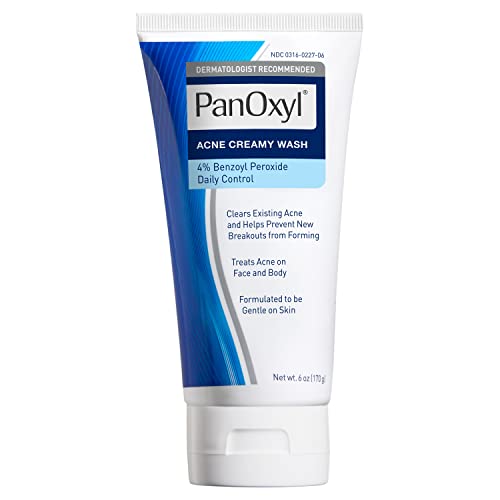
PanOxyl is another great cleanser for teens struggling with mild acne. It comes in two strengths – 4% and 10%. I would always start with the lower percentage and then move to the higher percentage if needed. This product will dry out your teen’s skin, so always follow up with a moisturizer. PanOxyl should not be used daily until you know if your teen’s young skin can handle it; I would recommend starting out with two to three nights a week. My own teenager did not listen to this advice, and ended up with angry, red irritation all over her face pretty quickly. Once she switched to only a couple of times a week, things improved. Do not use both a salicylic acid cleanser and a benzoyl peroxide cleanser; even if you are switching them day to day. It is too much for a teen’s skin. Just pick one.
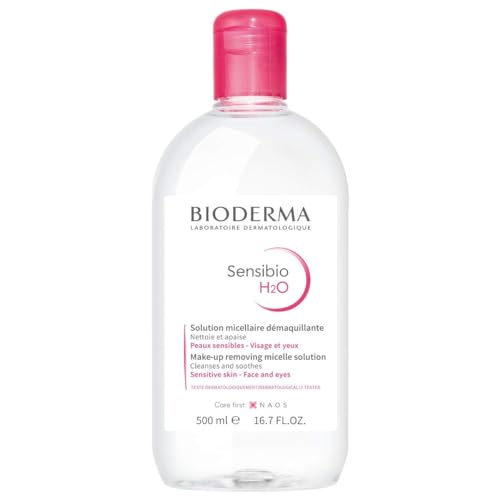
This is what helped my teenage son’s skin the most. He has pretty bad acne, and while we tried tretinoin, he did not like the product or the results. Once we put him on this, everything got better. It did not cure his acne, but it does lessen the severity and the duration. Micellar water can be used as a first cleanser in a double-cleanse or on it’s own. It is safe, effective, and does not have any harsh ingredients. There are many micellar waters on the market, and I haven’t found any that would be harmful for teenage skin, this is just the brand that has worked for my family.
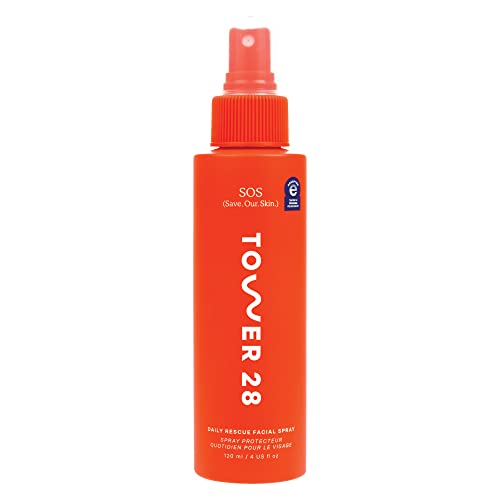
This spray is a hypochlorous acid spray which is safe for teens with red, itchy, or mildly irritated skin; it can also help breakouts. However, that does not mean anyone should be spraying this on their face fifteen times a day (stick to once or twice). I use hypochlorous acid spray before reapplying my sunscreen, after a long workout, or even when my skin just isn’t happy with me. This is a cult favorite, and although there are generic brands on the market that are cheaper and just as effective, this is the one that keeps popping up on your teen’s feed.
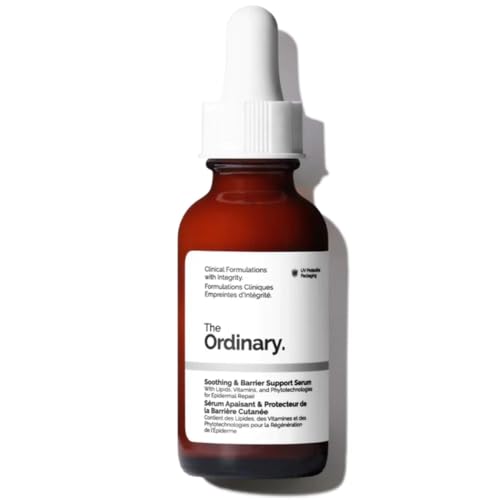
This product is designed to sooth your teen’s skin and also (with the help of ceramides) boost their skin barrier. Many of The Ordinary products are simple formulas that help us moms make sure we are not buying our kids products with hidden ingredients that might be detrimental to their skin health. Plus, this product is pink, which can always be a big hit.
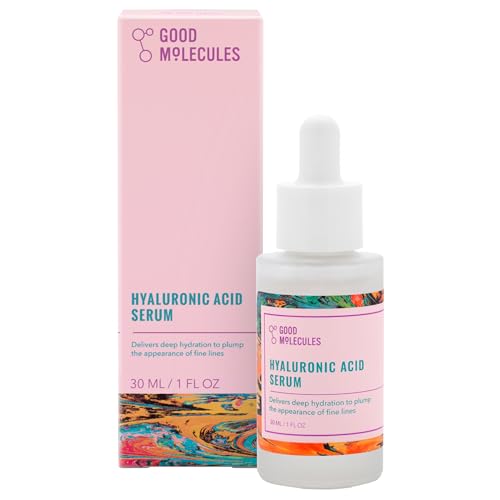
This is a product I use in my own routine when I need to bump up the moisture in my skin. Most teens don’t need an extra boost of hydration to their skin, unless they are using products that are designed to treat their acne. Although it is still smart to use a basic moisturizer everyday no matter their skin type, hyaluronic acid is safe to use as well. (When you see a baby and they have the most plump, rosy skin it is due, in part, to the hyaluronic acid that the body already produces. You’re teen is still producing hyaluronic acid at a great rate.) However, this is safe, effective, and will not harm your teen’s delicate skin. Never put hyaluronic acid on dry or wet skin; the skin needs to be damp and the next product will help with that.
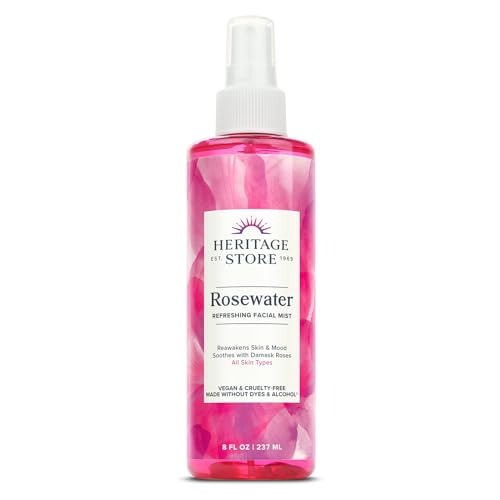
This is another product I use in my routine, and I can’t say enough about it. The only ingredients in this rosewater is damask rose oil and some “charged” water. There is nothing active in here, but still, the spray leaves your skin refreshed and hydrated. You can spray this on skin that has other skincare products on it, when your teen has a full face of makeup on, or use it as a way to dampen your skin for products such as hyaluronic acid or moisturizer. You can use this spray as many times as you want during the day, and it won’t cause additional problems. I tend to use this spray in both my hairline and on my skin after sweating, and at least two times a day at random times (and of course, when I am using a product that needs to damp skin before to apply it on).
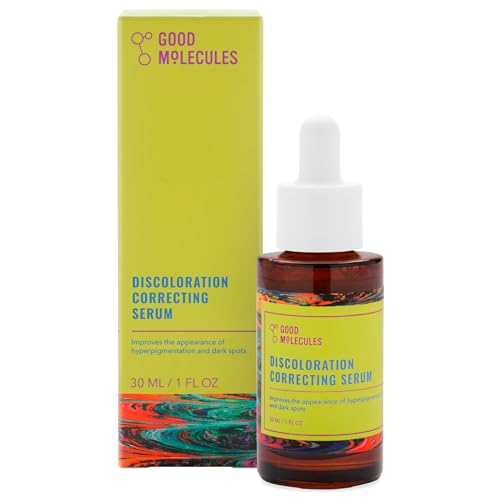
This product should only be used on teens that are 16+ years old or older. Even if you are tempted, wait until your teen is over the recommended age before allowing them to use this product. This discoloration correcting serum is a mild and gentle product designed to help with acne scars and other hyperpigmentation spots that may be left on your teens skin after their acne flare-ups. I will say, because this serum is so gentle, you have to consistently use it for at least a month before you can see actual results; and that is exactly what we want for our teens; nothing too harsh and something that works but slowly and carefully. It has both tranexamic acid and niacinamide in it, but once again at lower percentages which makes it more tolerable for your teen. Your teen should start by applying this every night after they cleanse their skin, and then they can build up to using it twice a day if their skin seems to tolerate the tranexamic acid. (Tranexamic acid is your brightening ingredient and niacinamide smooths your teen’s skin, helping with large pores, and overall helping with dull skin.)
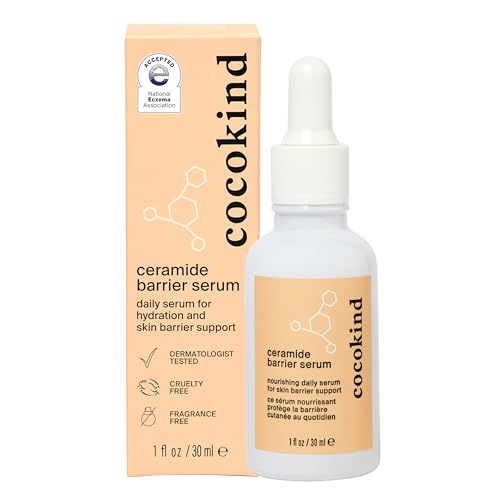
This is another serum that you will find all over social media; and it is perfectly safe for your teen’s skin. I will point out that if you are using something like The Ordinary’s Barrier Support Serum, you don’t need this product as well. Pick one and don’t overload either your skin or your teen’s skin with so many products. It simply isn’t necessary. But I included this one in the list because of it’s popularity and it is a great product. The serum has squalene and beta gluten to help with hydration, multiple ceramides, and lactic acid in it. Although I don’t believe that teenage skin needs lactic acid, and actually would encourage you to steer away from it for your teen, in this case the lactic acid can act as a sort of mechanism to get the ceramides more deeply into your skin. (It is similar to using lactic acid to help Vitamin C get deeper into your skin – although Vitamin C is still not necessary for your teen’s skin, I thought this was a good example.) Again, there are a lot of barrier support serums out there with ceramides that are good for your teen’s skin; but there is no reason to buy multiple ones (or even two of different ones).
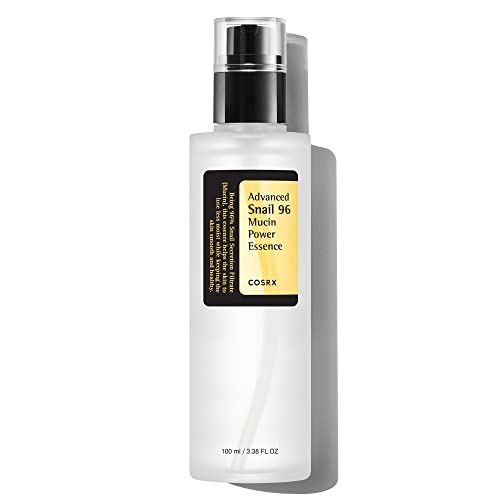
This is another product I don’t think teen’s actually need, but it is also extremely popular. This product is designed to hydrate the skin, and it does a wonderful job of that. But it also has a small amount of glycolic acid that will gently exfoliate the skin (something that is not widely known). It will help with acne, mostly because of the gentle exfoliate and the hydration but again this is not a permanent cure. The product promises to also help with the look of dark spots but you have to use the product pretty consistently in order to see even the smallest difference. Overall, this product shouldn’t hurt your teen’s skin and since it’s so popular, why not give it a try? It should be noted, like hyaluronic acid you have to apply this product on damp skin, and you do need to rub it into your hands for a couple of seconds before applying.
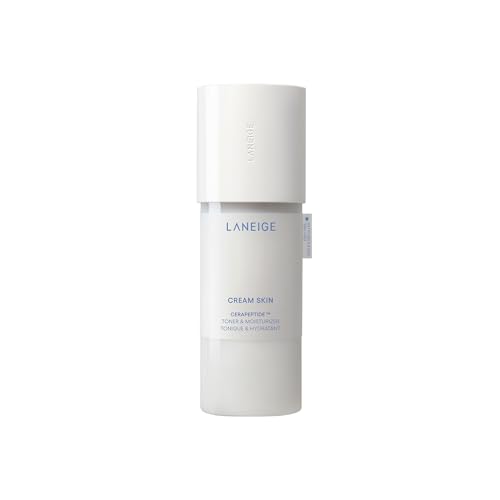
I put this in here because your teen might want a toner and this is a good example of a safe one to use. When it comes to toner, teens again should look for hydrating toners, not ones with actives, like the variety of acids, or even those with any with fragrance or alcohol in them. There are many milky toners on the market and even more hydrating ones that refresh the skin, like Kiehl’s Calendula Herbal Extract Alcohol-Free Tone. K-Beauty has some excellent toners to look into, but again, make sure you are looking at all the active ingredients. The one I recommended here does have peptides in it, but they shouldn’t harm your teen’s young skin.
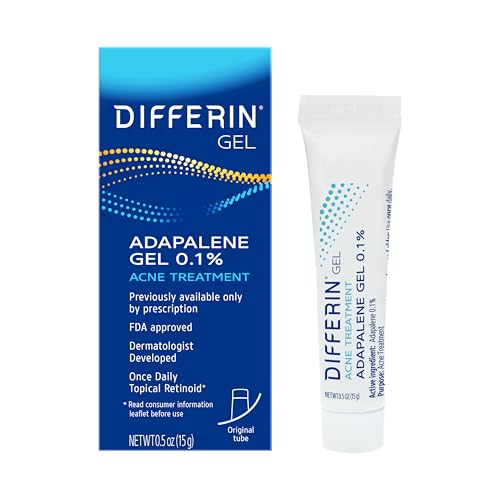
I want to be transparent here and state that despite the name and the word Adapalene, this is, in fact, a retinol product. But for teens that are intimidated by Tretinoin, or simply don’t need that strength of product for their acne, this can be a great alternative (and you can get it at a drugstore). Please be aware, that like all retinols this product can easily dry out your teen’s skin, and can cause what we call a “purge”, which is when your skin breaks out with more than normal acne before it gets better. There are ways to avoid this, mostly by starting with applying it only once or twice a week and building up from there, and using a good moisturizer or an occlusive moisturizer after it. If you teen gets the product and immediately starts applying it to their face every day, or even twice a day, they will not like the results; I promise. Read and research all the information out there about putting retinols on your child’s skin before buying this product or any retinol product.
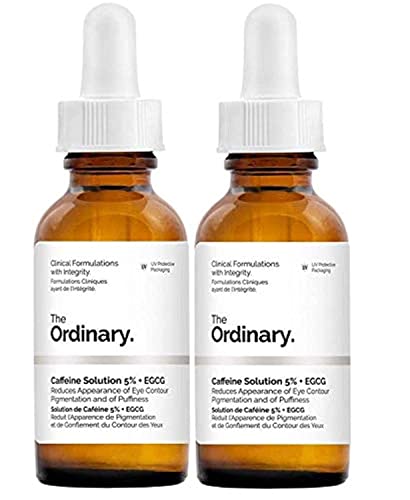
As I have stated previously, your child doesn’t need an eye serum. And it should be noted that all eye serums should be used on the upper part of the cheek bone, not directly under the eye. No one wants to get an serums or other products in the eye; plus by putting it just above the cheek bone you will be getting the best results. Normally, I would say that if your teen is concerned about their eye area, they should simply use their serums and moisturizers on that area. However, some teens just want an eye cream and this is a relatively safe one. Caffeine, especially under the eyes has been shown to reduce puffiness and help brighten the eye area. Teens can apply this daily if they so wish, or on the days when they wake up and feel they need it. Under eyes creams or serums with caffeine, unless you are using a retinol there, typically don’t perform any different if the cream is used daily or when needed (there are always exceptions).
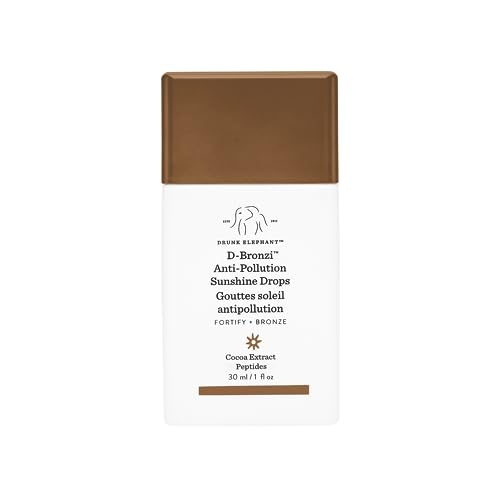
This is another cult favorite, as every teen seems to want all the Drunk Elephant products. The problem is most of their products, despite their packaging and what social media wants you to think, are not safe for young skin. This product has both anti-oxidants and peptides which young skin doesn’t need, but compared to other Drunk Elephant products (including the Goldi Drops) this is a an ok product. Most people use this product as a bronzer to add color to the skin and define its contours. Some influencers will use this product on “no makeup days” because of its other ingredients which often gives the impression that it is safe.
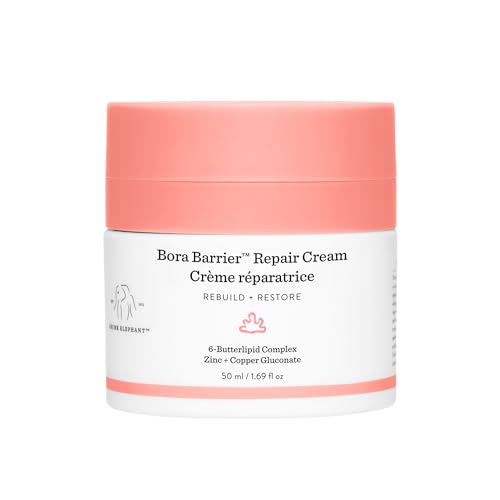
Again, I include this product because of the popularity of Drunk Elephant with teens. This is a moisturizer, but again, the other moisturizers in Drunk Elephant’s line should be avoided when looking for safe products for your teen’s skin. This product claims to deliver 24-hour moisture, and I’ll admit it comes in a cute package. Again, I’m not a fan of Drunk Elephant for teens (and it is expensive) but this one is probably safe for daily use on young skin.
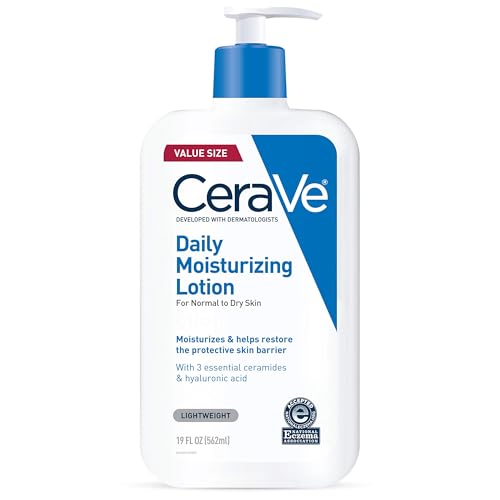
Rather than fancy and expensive, most teens just need a moisturizer like CeraVe’s. CeraVe actually has many facial moisturizers (which are good for teen skin); some for the AM with sunscreen and some for the PM. Teenage skin needs moisturizer, it’s one of the staples, and this is a basic product with ceramides and hyaluronic acid. I don’t think you can wrong with this moisturizer, and if you want to get fancy, buy the same pumps that Drunk Elephant uses from Amazon, and just put this moisturizer in it. It will save you some money, and you won’t have to worry what you teen is using on their skin.
There are other products you could buy for your teen that will make them feel like they have a fancy skincare routine but will neither break the bank or cause skin irritation or damage to their young skin. This might include cute headbands, wrist bands, pimple patches, lip oils or even a cute organization display for their bathroom.
Young skin needs to be taken care of, I would never argue against that. But it needs to be taken care of in the right way – by looking closely at ingredients and each of the products. My best advice is if you don’t know what a product does or will do for the skin, don’t put it on young skin no matter how much they beg. You aren’t only saving their skin now, but you are actually making sure that their future skin is not already damaged before they even arrive at that stage. I wish that I had known the importance of cleansers, moisturizers and sunscreen at a young age, but either fortunately or unfortunately, that information wasn’t available to me. It would have saved me probably hundreds of dollars in skincare that I now feel I have to use.
Good luck hunting, as I have a teenager myself, and know the struggle.
 From My Girl Friday
Leave a comment